Skip to content
LONTANO
Menu
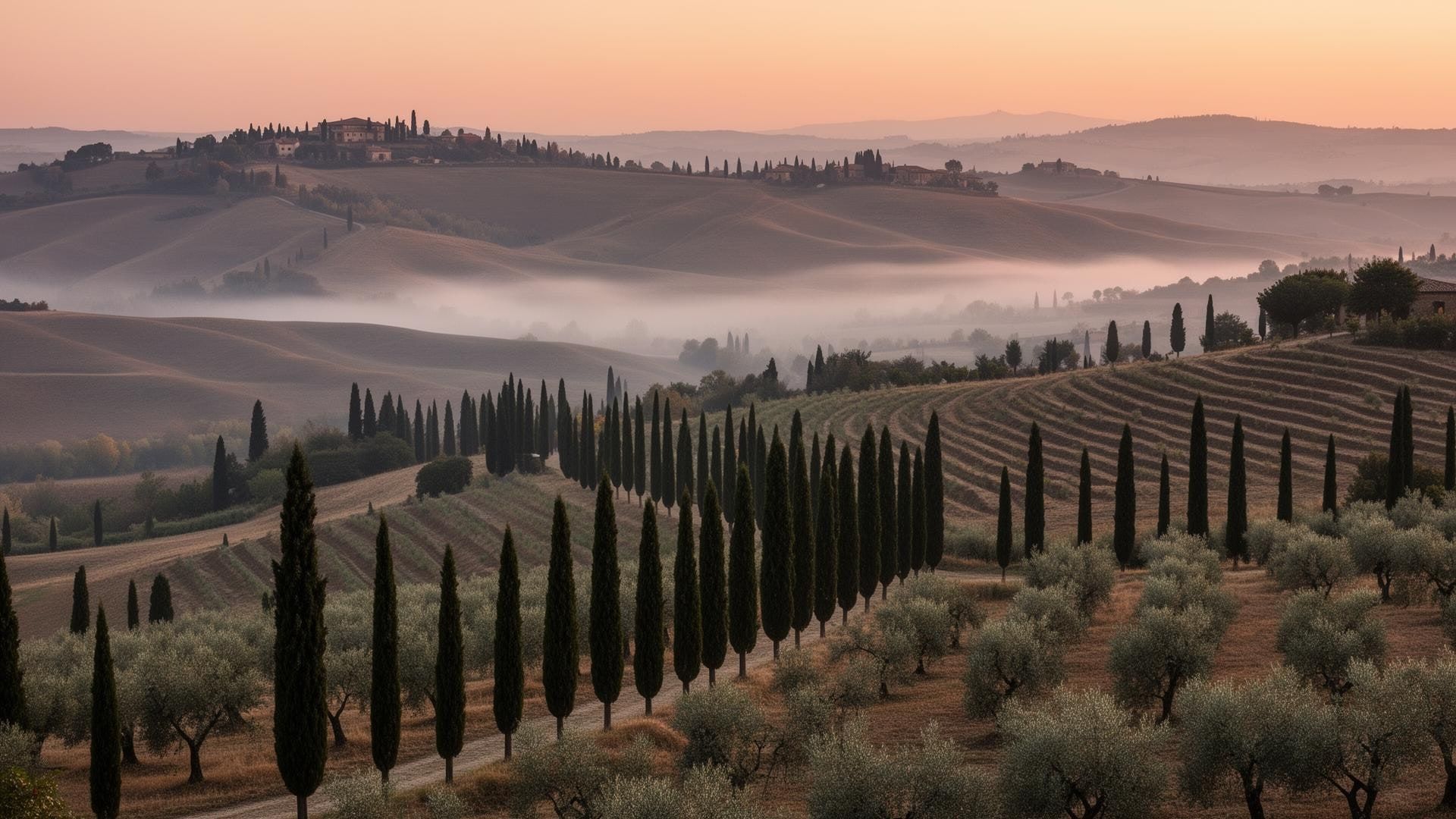
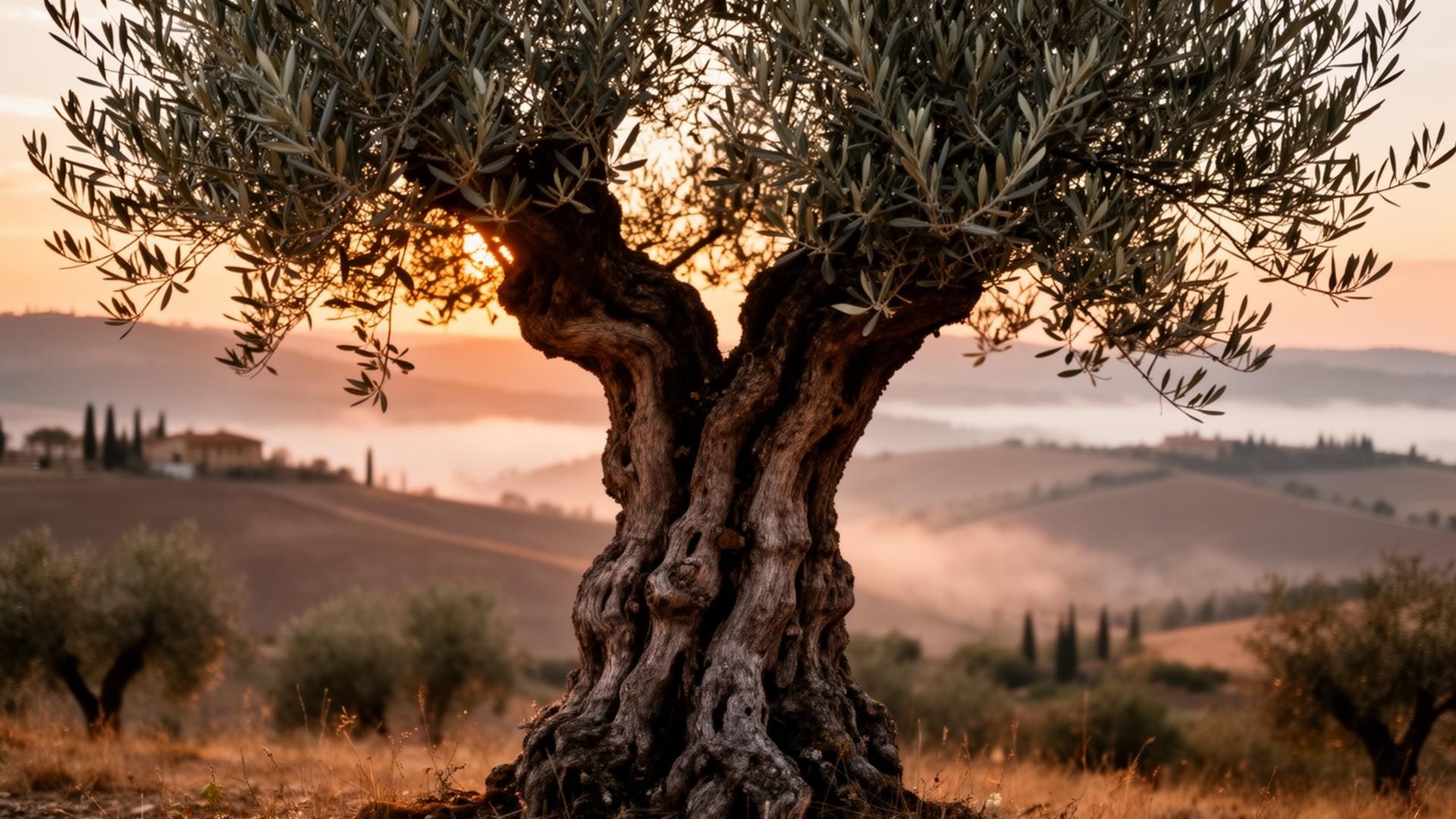
An old olive tree on a hillside at first light, mist in the valley behind.

Olive oil for British tables · First bottles early 2027

Trees that have watched the centuries pass.

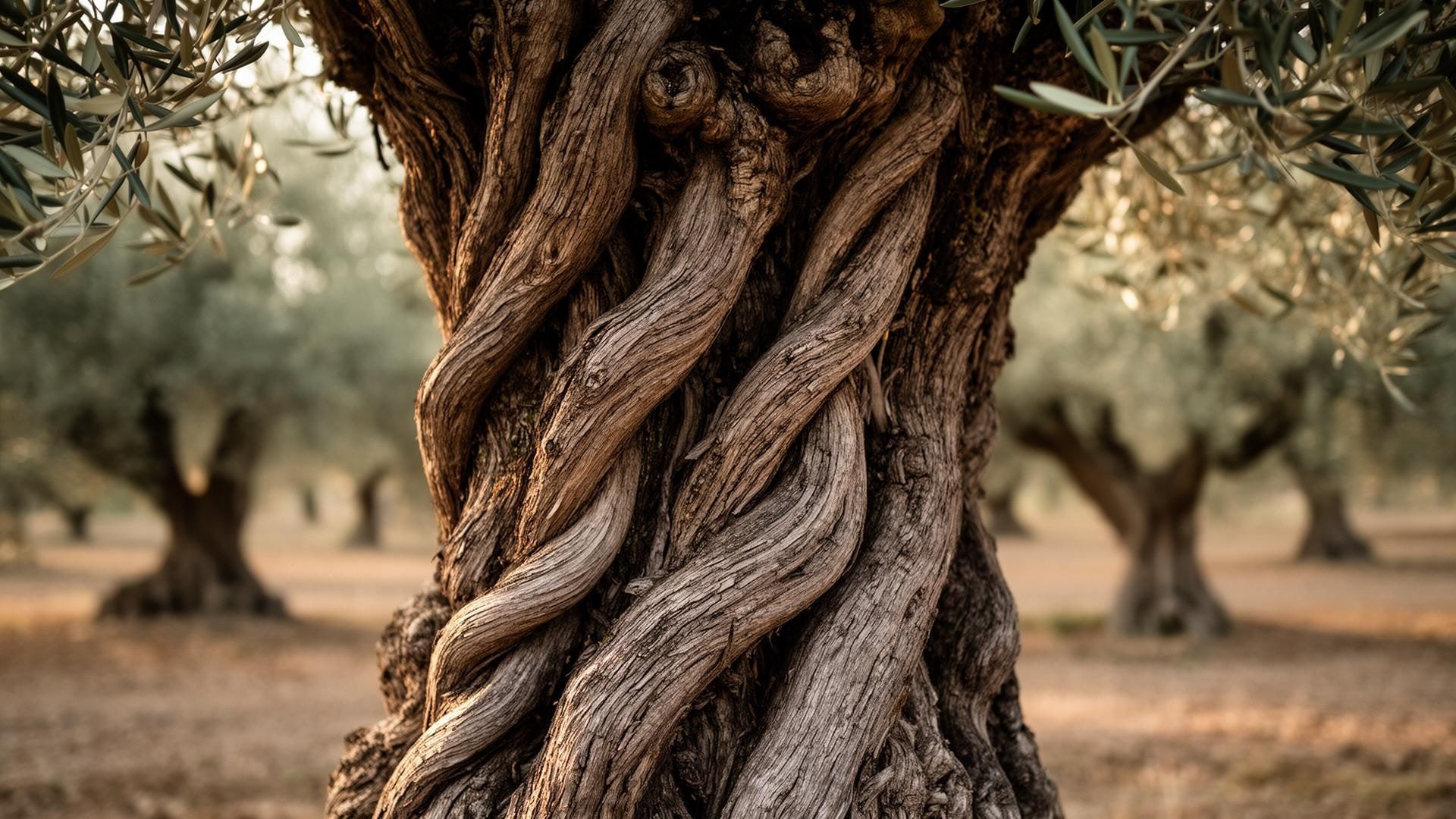
The trunk of an old olive tree, twisted like rope.

I — The trees

Long before us, there were the trees.

An olive tree does not hurry. It can stand for centuries, and the oldest of them stop growing upwards and begin to turn on themselves, their trunks twisting like rope, splitting, hollowing, and still coming into leaf each spring.

In the hills of Tuscany there are trees that were already old when Dante was writing. They have outlasted droughts and plagues and the feuds of city-states, and they have been tended all that while by people who planted knowing they would not see them grow.

A grandfather plants. A grandson harvests. The tree sees them both.
II — The witnesses

What the trees have seen.

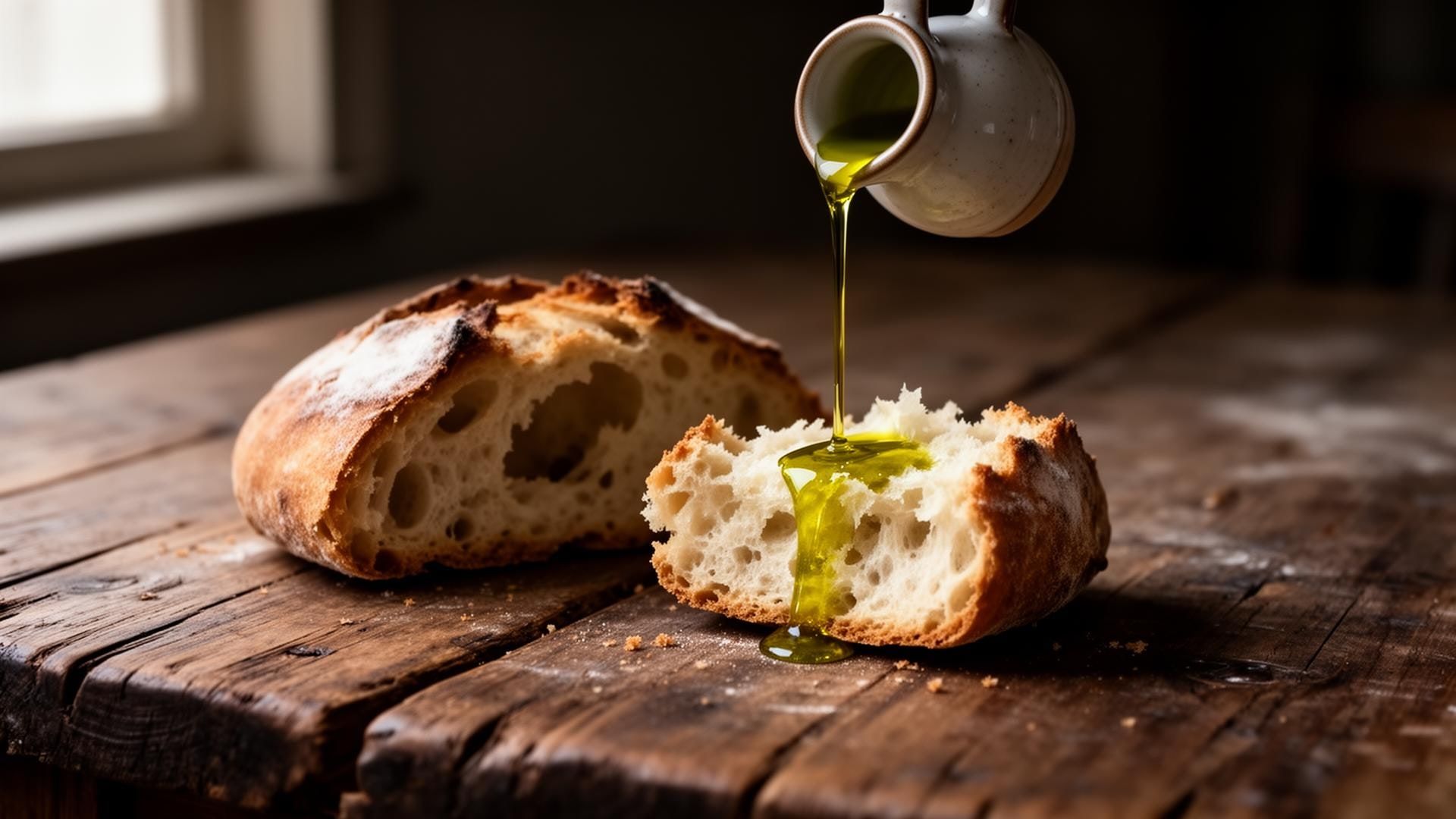
Through all of it the trees went on bearing fruit, and the people who lived among them went on pressing it and pouring it over warm bread. The recipes changed. The languages changed. The borders were redrawn more times than anyone could count. The gesture did not.

  1. c. 600 BC

    The Etruscans

    Among the first to press olives in central Italy, some two and a half thousand years ago.

  2. 1st century

    The Romans

    Oil travelled in amphorae to every corner of the empire, Britain included.

  3. 6th–8th century

    The Lombards

    Kingdoms rose and fell around the groves. The groves were tended still.

  4. c. 1300

    Dante

    Some of the olive trees standing in Italy today were already old.

  5. 2027

    A table in Britain

    The same gesture as ever: oil poured over warm bread.

Olive oil poured from a small jug over a torn loaf on a wooden table.
Olive oil is not really a product. It is a thread.

It runs from very old hands to yours, and from yours to the hands of people who do not yet exist. We are only holding it for a while.

III — The name

Lontano.

/lon-ˈtah-noh/ — Italian, adjective and adverb.

In Italian, lontano means distant, or far away. But it carries something English does not quite catch: a softness, a reaching across.

The journey of olive oil, from a tree planted in a century we cannot precisely name to a kitchen table in Britain on a Tuesday night, is a journey across a kind of distance that has no proper word in any language.

Lontano is the word for that distance, and for the act of crossing it carefully, without breaking the thing being carried.

The waiting list

The first bottles arrive in early 2027.

Leave your email and we will write when they are ready. After that, only when there is something worth saying.

We will send one email first, asking you to confirm.

For shops

Farm shops and delis.

We are speaking now with a small number of independent shops, ahead of the first bottles.